Fertility & wellbeing
Fertility care is not only about appointments, tests and treatment. Trying to conceive and going through fertility treatment can also affect how you feel physically and emotionally.
Some people choose additional forms of support alongside their medical care. These may help with general wellbeing, physical comfort, movement, nutrition, relaxation or emotional support.
Supportive care should complement, rather than replace, appropriate fertility assessment and medical treatment. Not every type of support is suitable for everyone, particularly during an IVF cycle.

Different people need different kinds of support
There is no single wellbeing programme that everyone needs. What feels useful may depend on your symptoms, treatment stage, lifestyle and personal preferences.
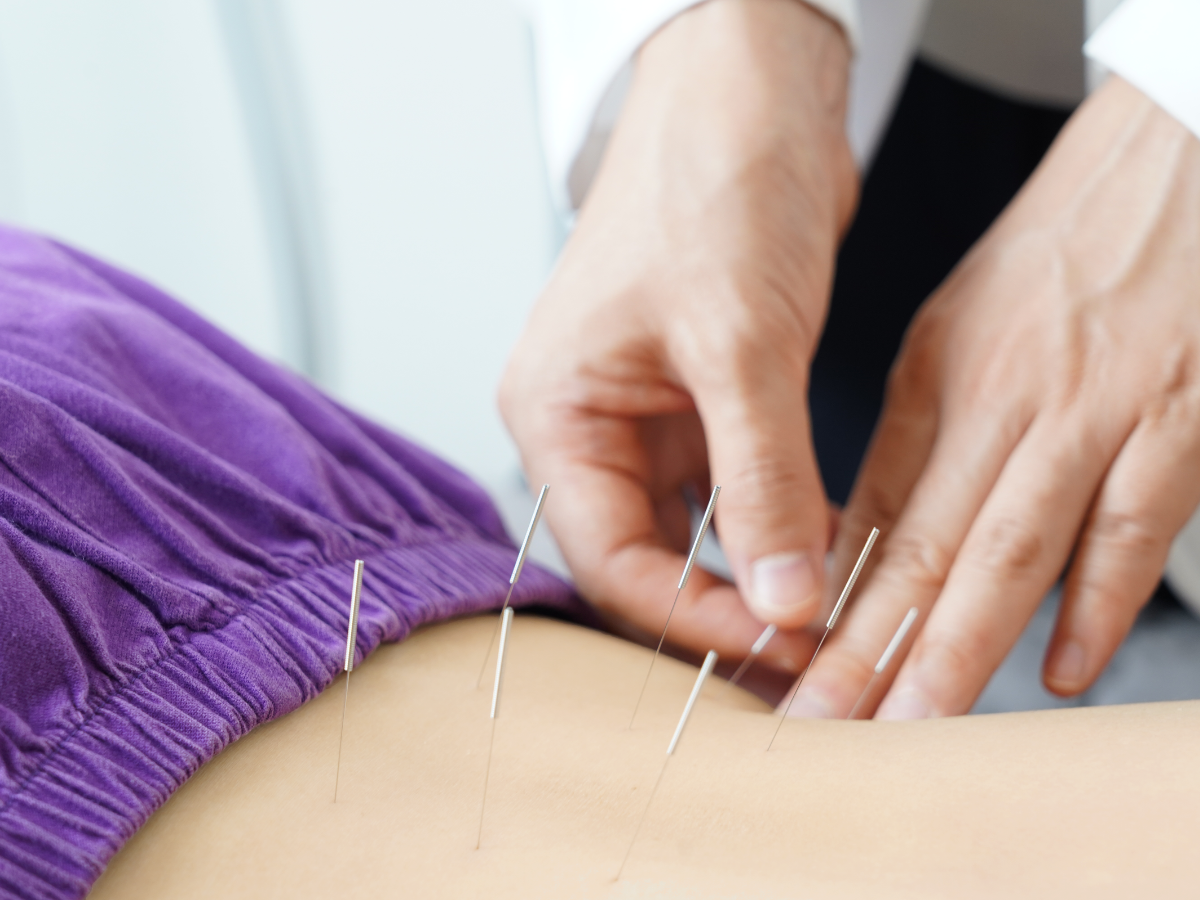
Traditional Chinese medicine (TCM)
Some people choose acupuncture or other TCM approaches alongside fertility care, for example as part of their wider wellbeing routine.
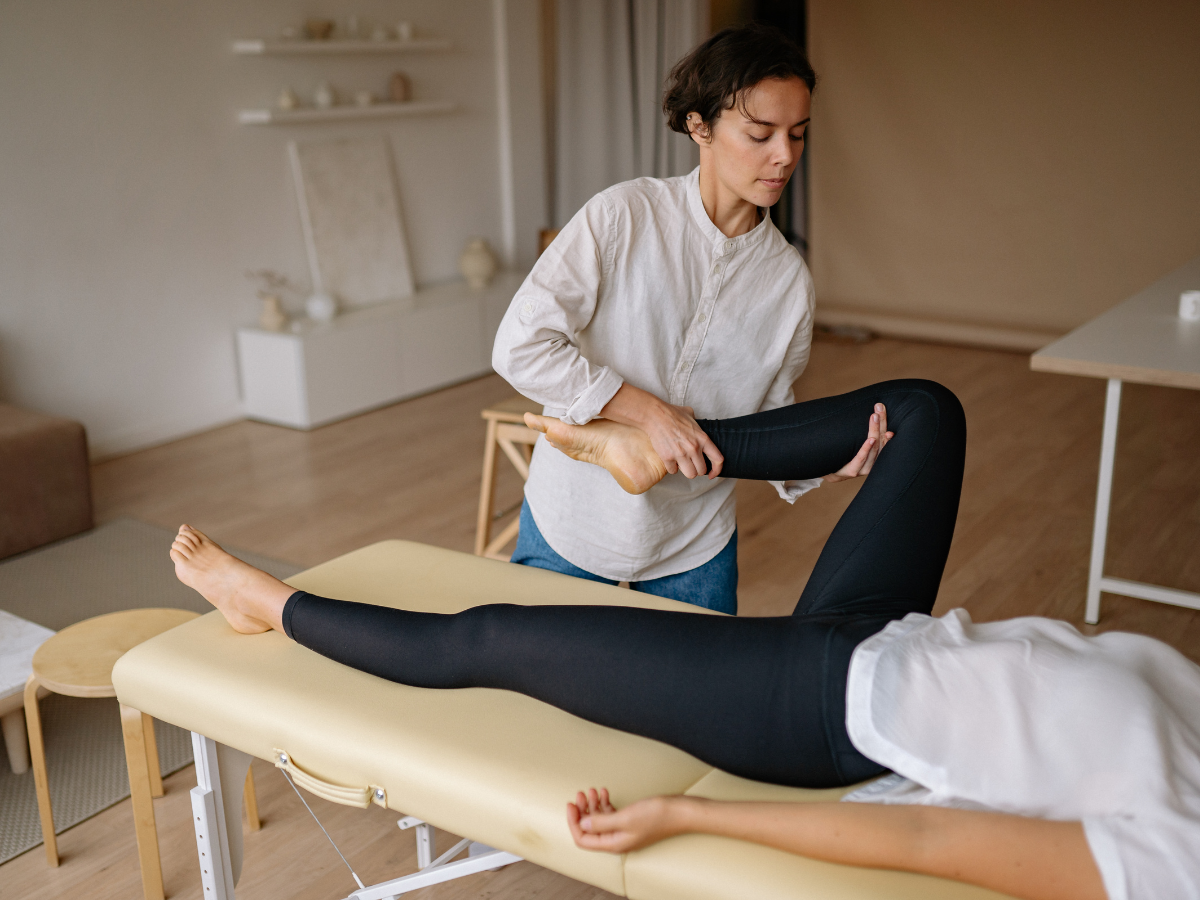
Physiotherapy & pelvic health
Physiotherapy may support movement, pelvic health, musculoskeletal discomfort and physical recovery where there is an appropriate clinical need.
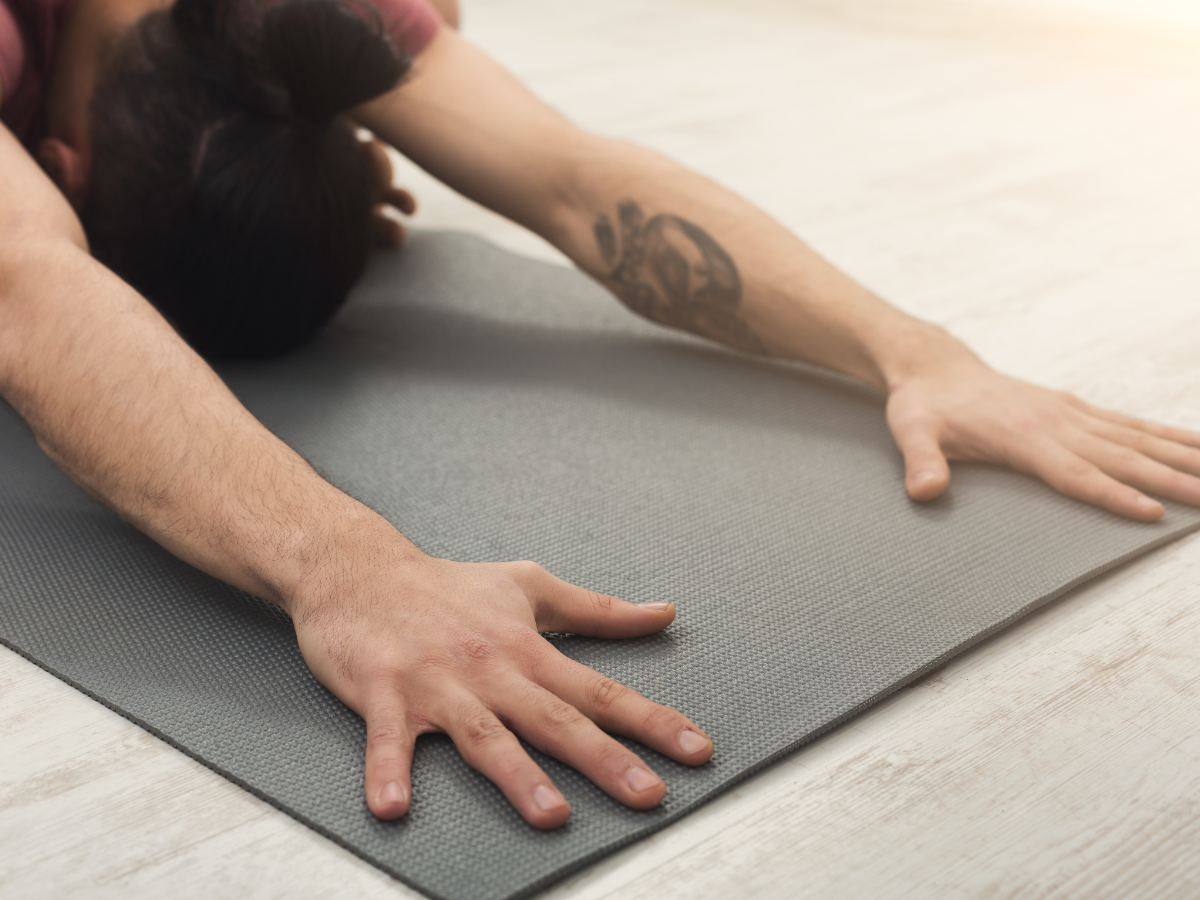
Movement & yoga
Gentle movement can support general physical and emotional wellbeing. Activity may need to be adapted during stimulation and around procedures.
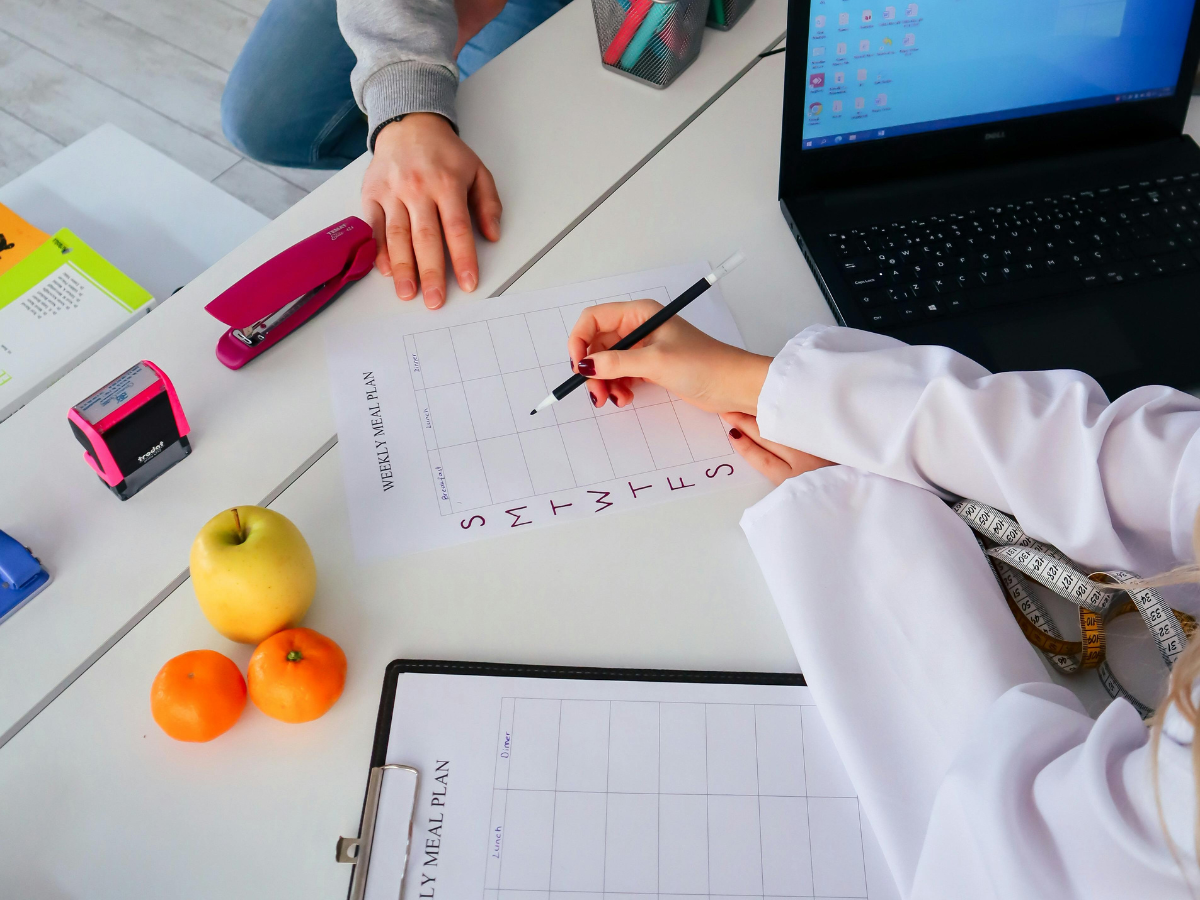
Nutrition
A balanced, varied diet supports general health. There is no single food or “fertility diet” that can guarantee conception or IVF success.

Emotional wellbeing
Counselling, psychological support, peer support or simply having a space to talk can be valuable when fertility care feels emotionally demanding.

Sleep, rest & stress management
Rest, sleep and practical ways of managing stress can support day-to-day wellbeing, particularly during periods of treatment and uncertainty.
Where TCM may fit
Traditional Chinese medicine is something some patients choose to use alongside conventional fertility care. Acupuncture is one of the approaches most commonly discussed in relation to fertility treatment.
What it may offer
For some people, TCM or acupuncture may form part of a broader wellbeing routine and provide time for relaxation or symptom support.
What matters is that your fertility doctor knows about any complementary treatment you are using, particularly Chinese herbal medicines or supplements.
What we should not assume
Evidence that acupuncture improves IVF live birth rates is conflicting, so it should not be presented as a treatment proven to increase IVF success.
Complementary therapies should not delay investigations or replace fertility treatment where medical care is indicated.
If you are taking herbs, supplements or other complementary products, tell your fertility team before and during treatment so they can consider possible interactions and advise you appropriately.
Physiotherapy & pelvic health
Physiotherapy can mean different things depending on why you are seeking support. For some people, pelvic health or musculoskeletal physiotherapy may be relevant alongside fertility care.
Pelvic symptoms
A suitably qualified pelvic health physiotherapist may help assess and manage certain pelvic floor symptoms, pelvic discomfort or pain where physiotherapy is appropriate.
Movement & physical comfort
Physiotherapy may also help with mobility, musculoskeletal discomfort, posture or an individual return-to-activity plan.
During fertility treatment
Exercise and hands-on treatment may need to be modified during ovarian stimulation, after egg retrieval or at other points in treatment. Check with your fertility team if you are unsure what is appropriate.
Movement, nutrition, sleep and emotional health
Healthy routines matter for overall health, but fertility difficulties are rarely explained by whether someone has exercised enough, eaten the “right” foods or managed stress perfectly.
Keep moving, but adapt when needed
Regular activity can support general health and wellbeing. During IVF, your clinical team may advise modifying strenuous or high-impact exercise as the ovaries enlarge or around procedures.
Think balanced, not perfect
There is no proven fertility diet. A balanced diet can support general health, while individual nutritional advice may be helpful if you have particular medical or dietary needs.
Protect rest and sleep where you can
Appointments, medication schedules and uncertainty can be tiring. Rest and good sleep habits may help you feel better through treatment, without implying that poor sleep is the reason for fertility difficulties.
Emotional support is part of care
There is no requirement to stay positive throughout fertility treatment. If you are finding things difficult, speaking with a counsellor, psychologist, support group or someone you trust may help you feel more supported.
Wellbeing support is not a test of how hard you are trying
It can be easy to feel that there is always one more thing you should be doing. Fertility is more complex than that.
Support your health
Choose routines and supportive services that are safe, manageable and genuinely helpful to you. General wellbeing is a worthwhile goal in itself.
Be careful with outcome claims
Yoga, acupuncture, supplements, particular foods or stress reduction should not be described as guaranteed ways to improve egg quality, implantation or IVF success.
Not sure what is appropriate during treatment?
Speak to your IVF(SG) clinical team before starting new complementary treatments, supplements or significant changes to exercise during an IVF cycle.
Fertility & wellbeing FAQs
Can acupuncture improve IVF success?
Research on acupuncture alongside IVF has produced mixed results, and there is not consistent evidence that it improves live birth rates. Some people may still choose acupuncture as complementary support, but it should not be presented as a proven way to increase IVF success.
Can I use TCM herbs during IVF?
Tell your fertility doctor about any herbs, supplements or complementary medicines you take. Products can contain active ingredients and may not be appropriate with fertility medications or around procedures, so individual advice is important.
Can I exercise during IVF?
Movement can often continue, but your activity may need to change as treatment progresses. During ovarian stimulation the ovaries can enlarge, and your clinical team may advise avoiding strenuous or high-impact activity. Follow the advice given for your individual cycle.
Can physiotherapy help during a fertility journey?
It may be useful where there is a specific physical or pelvic health need, such as certain pelvic floor symptoms, pain or musculoskeletal concerns. It is supportive care rather than a substitute for fertility assessment or treatment.
Is there a diet that improves fertility or IVF outcomes?
There is no single diet proven to guarantee improved fertility or IVF outcomes. A balanced diet is encouraged for general health, and individual nutritional support may be appropriate where there are specific medical or dietary needs.
Does stress cause fertility problems?
Fertility difficulties can themselves be stressful, but it is not helpful to assume that someone is having difficulty because they are “too stressed”. Stress-management strategies can be worthwhile because they may support emotional wellbeing and coping during treatment.