Patient guide
Your IVF journey, step by step
Starting IVF can involve unfamiliar appointments, medications and decisions. This guide explains what usually happens at each stage of treatment at IVF(SG), so you can understand what comes next and where our team will support you.
Before treatment begins
Start with a clear plan
Your first steps are about understanding your fertility history, reviewing any existing results and deciding what treatment, if any, is appropriate for you.
You do not need to arrive knowing exactly what you need. Dr Yeong and the IVF(SG) team will explain the options, what additional information may be required and what the next steps would involve.

Bring them with you. The team can review what you have already completed and advise whether anything needs to be repeated or updated before treatment begins.
The IVF(SG) treatment pathway
What happens during an IVF cycle?
Every treatment plan is individual, but the stages below show the usual pathway through IVF(SG).
Your first consultation
Meet Dr Yeong to discuss your medical and fertility history, your goals and any previous treatment or test results. Your consultation helps establish whether IVF or another next step is appropriate for you.
 If you have recent fertility test results or information from previous treatment, bring them with you for review.
Testing and screening
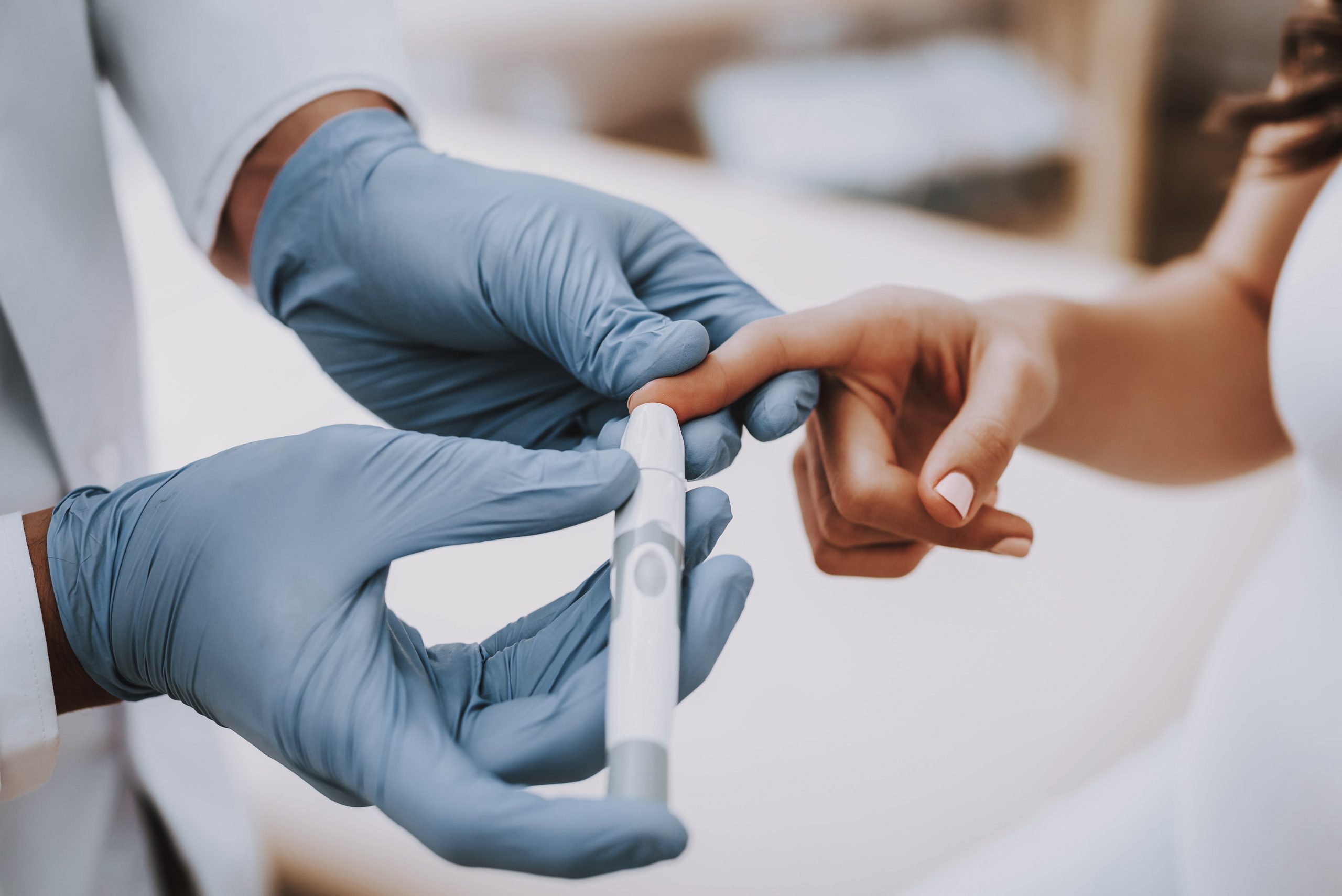
Depending on what is needed, the team may arrange blood tests, ultrasound scans and/or a semen analysis to build a clearer picture of your fertility profile and prepare for treatment.
 Testing may include blood tests, ultrasound scans and semen analysis, depending on what is appropriate for you.
Pre-IVF counselling
Before IVF treatment begins, you will attend the required pre-IVF counselling with our partner laboratory. This helps you understand the procedures, laboratory process and consent requirements before proceeding.
Preparing for your cycle
Our nursing team will guide you through your medication schedule, injections, appointments and when to contact the clinic. You will be told what you need to do at each stage rather than having to remember everything at once.
 Your nursing team will explain your medication schedule, appointments and the instructions you need for each stage.
Ovarian stimulation and monitoring
You will take hormone injections to encourage multiple follicles to develop. Your progress is monitored with ultrasound scans and, where required, blood tests. Medication may be adjusted based on how your body responds.
 Monitoring helps your specialist follow your response and adjust treatment where required.
Egg retrieval and fertilisation
Egg retrieval is performed under light sedation and typically takes around 15 to 30 minutes. A semen sample may also be required. The retrieved eggs are then fertilised in the laboratory using standard IVF or intracytoplasmic sperm injection (ICSI), depending on your doctor's recommendation.
 After retrieval, eggs are taken to the laboratory for fertilisation using the method recommended for your treatment plan.
Embryo development
Following fertilisation, the laboratory monitors embryo development over the next few days. The team will update you on the outcome and Dr Yeong will discuss the appropriate next step based on your treatment plan.
 The laboratory monitors development and provides updates before the next stage of your treatment.
What happens next?
Not every IVF cycle proceeds in exactly the same way after egg retrieval. Depending on your treatment plan, the next step may be a fresh embryo transfer or freezing embryos for transfer in a later cycle.
Fresh embryo transfer
If a fresh transfer is suitable, an embryo may be transferred during the same treatment cycle.
Frozen embryo transfer (FET)
Embryos may be frozen for future use, with transfer taking place in a later cycle when appropriate for your treatment plan.
Embryo transfer
The team will give you your transfer timing, medication instructions and preparation guidance. After transfer, complete bed rest is not normally required and light daily activities can usually resume, unless your doctor advises otherwise.
 Your team will confirm the timing and preparation instructions for your individual transfer.
The wait and pregnancy test
Continue all prescribed medications and return for your scheduled beta HCG blood test. This is usually arranged around 10 to 14 days after embryo transfer. Whatever the result, the team will discuss what happens next with you.
If your test is positive
Your care continues
The team will advise you about continuing your medications, whether any further blood tests are required and when to return for your first pregnancy scan. The exact timing will depend on your individual treatment plan.
If the result is not what you hoped for
You can talk through what comes next
Dr Yeong and the team can review the cycle with you, discuss any remaining frozen embryos where relevant and explain the options available before you decide on your next step.
Practical guidance
When you begin treatment
You will receive more detailed instructions for your own cycle. These cover the practical things that matter at each stage, rather than expecting you to work everything out in advance.
Medication and appointments
Your nursing team will explain when medications start, injection timing, monitoring appointments and your trigger instructions.
Egg retrieval preparation
You will receive instructions on fasting, arrival time, what to bring and arranging for someone to accompany you home after sedation.
Embryo transfer preparation
The team will confirm your medications, arrival details, any bladder preparation required and when to return for your pregnancy blood test.
Common questions
Things patients often want to know
How long does the whole IVF process take?
Most cycles take around 4 to 6 weeks from the start of treatment to the pregnancy test, although individual timelines can vary.
How quickly can I start treatment?
Once your consultation and the necessary tests are complete, stimulation can often begin within the same or following cycle, depending on your results, treatment plan and when you feel ready.
Can I use frozen embryos at a later date?
Yes. If you have frozen embryos, they can be used in a later frozen embryo transfer (FET) cycle. The team will discuss timing with you based on your circumstances and treatment plan.
Do I see the same doctor throughout treatment?
Dr Yeong oversees your treatment plan and clinical care, while the nursing team supports you with appointments, medications, cycle coordination and practical questions throughout treatment.
What happens if my egg retrieval timing falls on a weekend or public holiday?
Egg retrieval timing is based on how your follicles respond during stimulation. If the expected timing falls outside IVF(SG)’s usual operating days, Dr Yeong will advise you on how your stimulation and retrieval timing should be managed.
Throughout your treatment
You don't need to remember everything
Fertility treatment involves a lot of information, appointments and decisions, but you do not need to take everything in at once. Our team will guide you through each stage and let you know what you need to do next.
This guide provides a general overview. Your own treatment pathway and instructions may differ depending on your clinical needs and your doctor's advice.